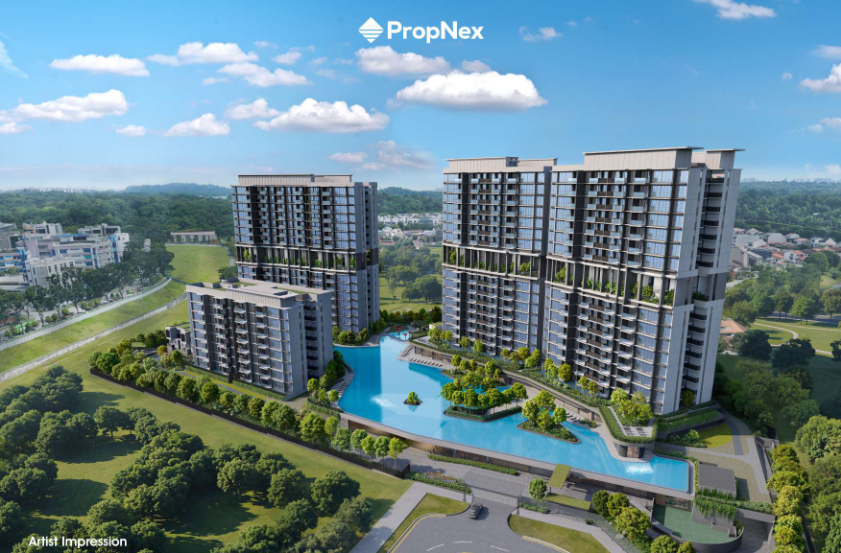
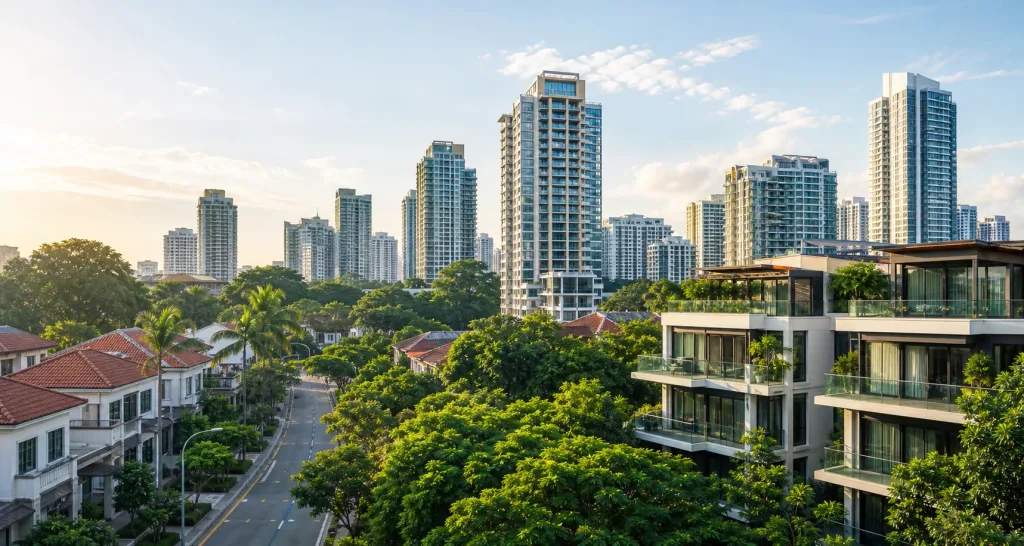
District 26 is often considered by buyers who want a quieter and greener environment. It is less about city buzz and more about residential comfort, nature access, and a calmer rhythm.
What clients usually compare here
Clients commonly compare D26 against D20 for mature central-north convenience, D27 for northern affordability, and D28 for Seletar-side landed appeal.
What to watch
Some locations are still car-friendlier than MRT-first. Check exact TEL access, bus routes, nearby amenities, and whether nature adjacency also brings tradeoffs such as lower walkability.
Typical fit
District 26 often suits landed-home seekers, nature-oriented households, families, and buyers who want a quieter setting with improving transport options.
Neighbourhood feel
District 26 is quieter, greener, and more low-density in feel than most central districts. Upper Thomson and Springleaf bring food and nature access, while Mandai-side surroundings are more associated with greenery and open space. The district suits clients who want a calmer setting.
Buyer considerations
Buyers should compare privacy and greenery against daily convenience. Some homes are well served by the Thomson-East Coast Line, while others still feel car-dependent. For landed or low-rise homes, maintenance, access roads, and future redevelopment surroundings should be reviewed.
Rental relevance
Rental demand is usually more niche than in high-density MRT towns. It may come from families, nature-oriented tenants, and households that need north-central access. Units with strong transport or rare landed attributes are easier to position.
How to shortlist
Check whether the buyer values nature enough to accept lower retail density. If the household wants both quiet and high convenience, the shortlist needs to be very selective.
Practical decision framework
District 26 should be chosen for greenery, privacy, or a specific north-central lifestyle. Compare it against D20 for mature amenities, D27 for northern affordability, and D28 for quieter landed or low-rise alternatives. The best choices usually have either good TEL access or a strong landed and low-density reason. If a buyer expects high walkability, the exact pocket needs careful testing before price becomes the main discussion.
Extra buyer note
For landed and low-rise homes, inspect access roads, drainage, renovation condition, and nearby redevelopment activity. These details can matter as much as the district label.